
Discovery Writing, Outlining & Trusting Your Characters | Lauren Okie
June 16, 2026
Featured Guests:
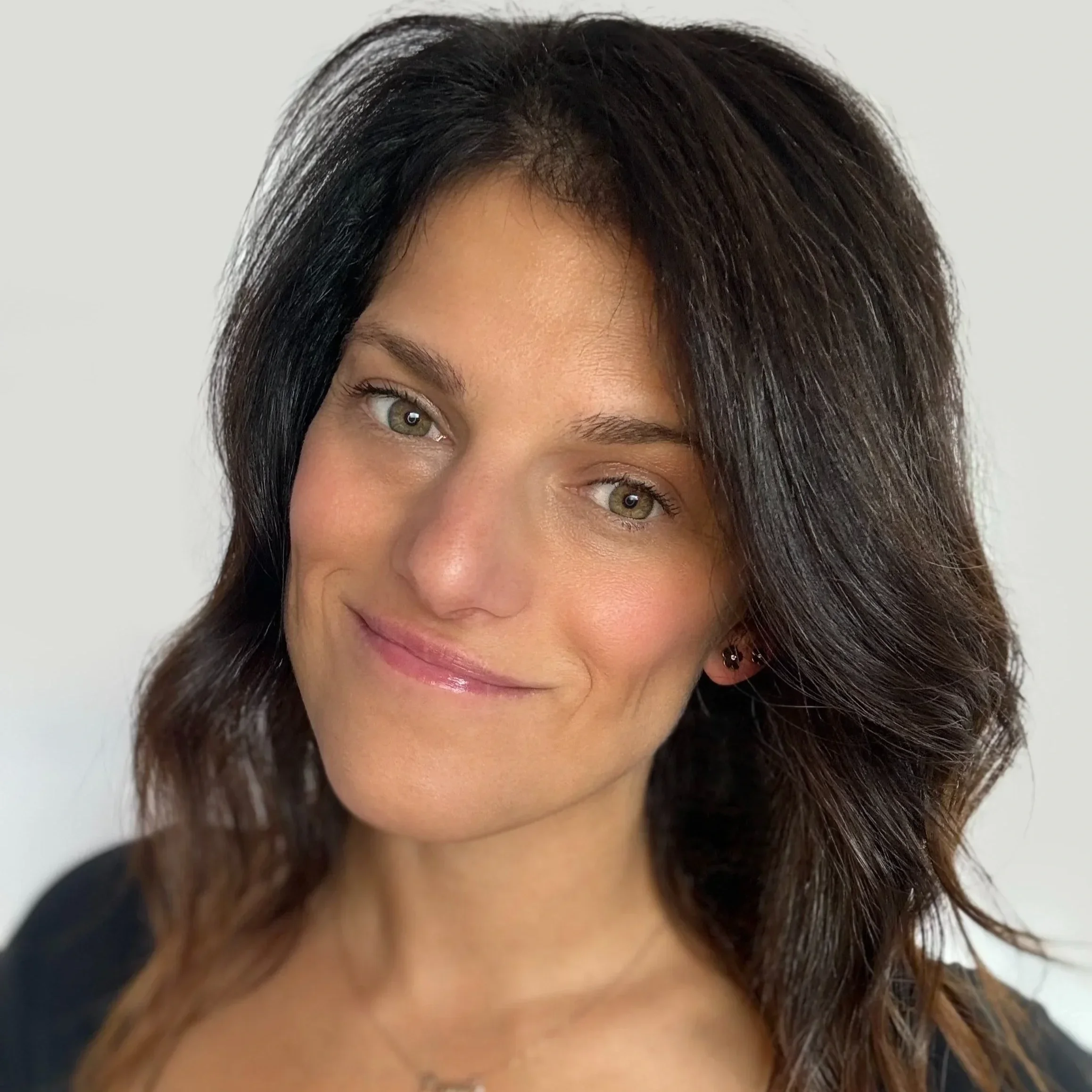
Lauren Okie
Lauren Okie is the author of The Best Worst Thing and Tropesick. Known for emotionally layered romance, sharp humor, and character-driven storytelling, Lauren's work explores grief, love, creativity, and the stories we tell ourselves about happily ever after.
What happens when your characters know the story before you do?
This week, we sit down with romance author Lauren Okie to talk about discovery writing, outlining, second drafts, and learning to trust your creative instincts. From writing Tropesick while querying her debut novel to protecting the creative spark in a publishing industry full of distractions, Lauren shares an honest look at the realities of writing books that surprise both the author and the reader.
Lauren Okie didn't set out to write a book about tropes.
She set out to write characters compelling enough to tell her where the story wanted to go.
In this episode, Lauren joins Jenna and Cait to discuss the writing process behind Tropesick, her approach to discovery writing, and why she believes character should always come before plot. The conversation explores outlining versus improvisation, second drafts, deleting scenes you love, and the challenge of protecting creativity in an industry that often prioritizes metrics over art.
For writers, this episode is packed with practical advice on trusting your instincts, identifying what belongs in your story, and finding your way through the messy middle of drafting a novel.
For readers, it's a fascinating behind-the-scenes look at the mind of an author whose stories blend romance, humor, grief, and literary ambition.
In This Episode
How Lauren Okie developed the concept for Tropesick
Writing a second novel while querying a debut
Discovery writing versus outlining
Why character should drive story
Learning to trust your creative process
The role of second and third drafts
Identifying duplicate scenes and unnecessary subplots
Craft books that changed Lauren's approach to writing
Romance as a vehicle for complex, meaningful storytelling
Protecting the creative spark in publishing
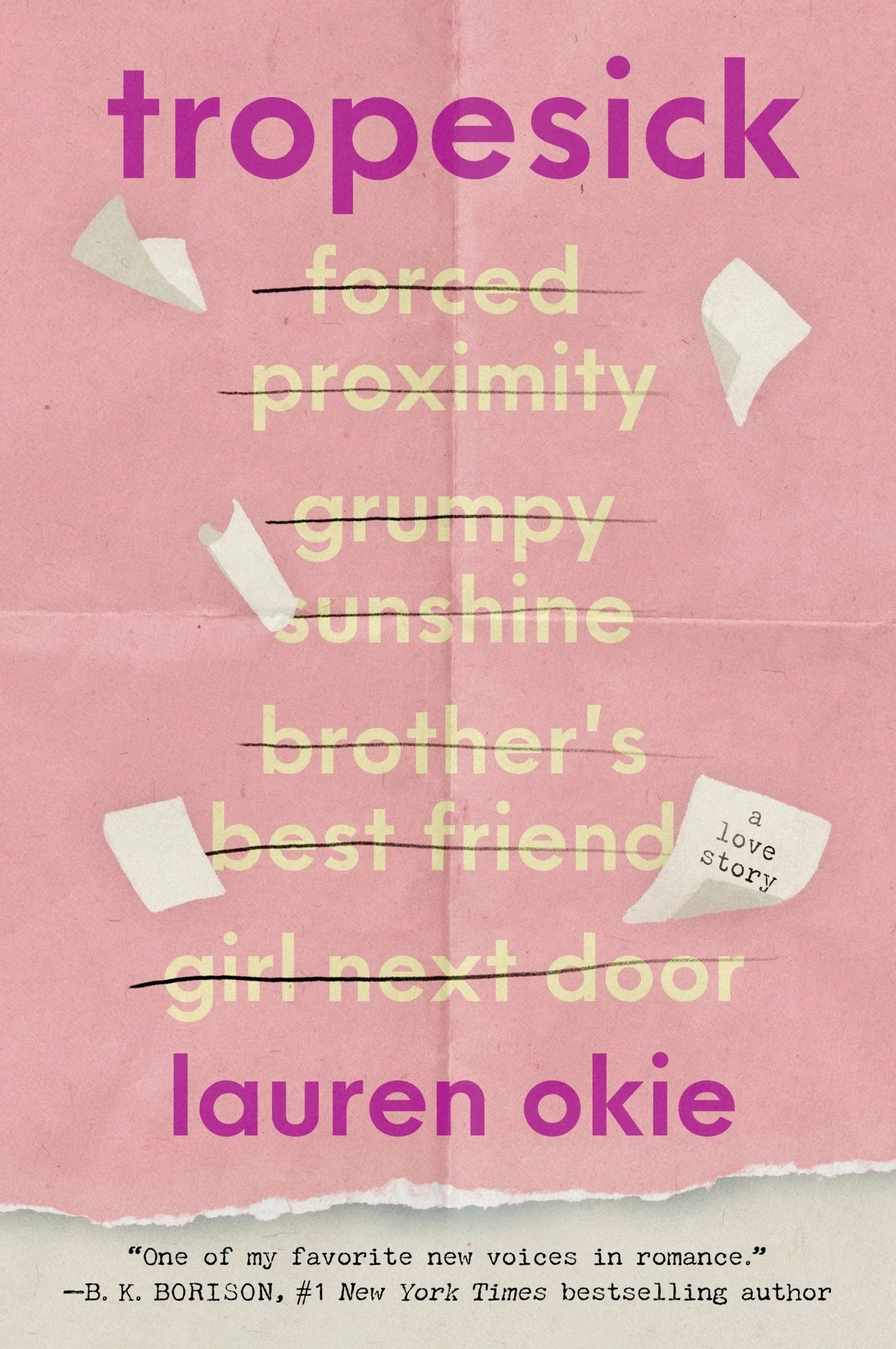
Tropesick
Lauren Okie
In this lush, slow-burning romance, two childhood neighbors, connected by a shared tragedy, unexpectedly reunite to ghostwrite a love story for a reclusive author. Spending the summer at her secluded Hamptons estate, they soon discover that dozens of classic romance tropes, including the ones they’re crafting on page, are mysteriously playing out in real life.
-
Jenna G Judith (00:00)
So what's up? I'm just eating a piece of sourdough bread that I just got at the bakery.Cait (00:06)
I just fucking finished this book.Jenna G Judith (00:09)
Oh my God, really?Cait (00:11)
my god, dude. It ruined- Now I have to talk to this woman?Jenna G Judith (00:13)
Did it ruin you?my god.
Cait (00:19)
without giving away spoilers? I am, I am, I'm...I'm shook. I am unwell.
Jenna G Judith (00:26)
my God, I can't wait. I can't wait to read it.Cait (00:28)
my gosh, dude. ⁓ And now I have to wait a month until it comes out and like I can talk to the world about this book.It's so good. It is. It's so good.
hey Laura.
Lauren Okie (00:44)
Hi! Hi guys, how are you?Cait (00:45)
⁓my gosh, the sweater. Perfect.
Lauren Okie (00:47)
I know, I'm just learning. It's always, you never know how you're gonna appear on like the different recording platforms. So how are you guys?Cait (00:55)
Thrilled. We're so excited you're here. We were just chatting and we got this lovely bound, my first ever bound manuscript in Jenna's hand, the Bound manuscript.Lauren Okie (00:58)
Thank you!Yes.
Oh yeah, I know.
I've never, I've never had one. I don't think I've ever had a truly bound, sometimes they call them bound manuscripts, but they're arcs. They're just like not, they're not, yeah, I have a few of those, but I've never had like the real one.
Cait (01:21)
I feel like now I have a little special edition of it.Lauren Okie (01:24)
They are special. I've only seen you all have them. And then another reader I know, likeJenna G Judith (01:29)
I feel like I feel like I'm in Devil Wears Prada, like when I like I'm reading this.Lauren Okie (01:30)
to.Cait (01:34)
She has the Harry Pottermanuscript delivered to her. Seriously. Literally.
Jenna G Judith (01:38)
Yes, yes.my twins gonna do with one copy? Sorry. ⁓
Lauren Okie (01:45)
It's a good question. It is like a verygood question.
Cait (01:49)
I'm not gonna lie, because I can't hide it, but right before you came on, always finish, like who's coming, like I finish their book literally 10 minutes before they sign on. I'm not okay. Thank you for asking. That's so good.Lauren Okie (01:58)
Are you okay?Yeah, the last 20 % is a wild ride. So, yeah. I won't give, I mean, I won't give anything away. say this, there's only one rule in romance.
Cait (02:09)
I don't want to give anything away. Yeah.Jenna G Judith (02:09)
Don't give anything away.Kind of?
Lauren Okie (02:19)
Yeah.Jenna G Judith (02:19)
so I'mCait (02:19)
That'sJenna G Judith (02:20)
I'm chomping at the bitCait (02:20)
literally, that was the first thing I said to Jenna, because I was like, how am I going to wait a month to be able to talk about this with the whole world? Because people are going to talkLauren Okie (02:29)
I got tagged into something today where I guess some people had done like a buddy read on Discord and it was very, very funny. ⁓ So they like sent me some stuff and it was great.Cait (02:39)
A lot of our listeners are pre-published, either working on their first manuscript or their self-published. coolest part about being able to chat with you today is when you guys do get the opportunity to read this book, it is a love letter to the literary world.In so many ways, it's so beautiful how you put this together. have literally so many questions that I don't know how I'm going to ask you questions without giving away anything. But the first thing we really wanted to ask you is how did you pitch this? How was this book born? Was this idea born?
Jenna G Judith (03:18)
Yes!Lauren Okie (03:19)
Yeah, okay, so it's not my first novel. I, my debut novel, the first book I ever wrote in earnest is my debut, The Best Worst Thing. So I had started a few books, like as a child. And then again, in my twenties that like did not get anywhere. And then I started another book in earnest in 2000 and I don't know 22 that I could not finish because I made like fatal.Jenna G Judith (03:22)
Right.Lauren Okie (03:48)
mistakes, which was like, banter was good, characters were hot, setting was good, but I had no idea what the characters wanted. And it just like, it just poisoned every scene. Like even when everything was going, I was like, it's awesome, it's really hot. And it's like literally about nothing. But it was like very, and I think it was like a fatal blow. And so I was like, let me take everything I learned about like scene building and actually give these characters, you know.Jenna G Judith (04:04)
HahahaLauren Okie (04:15)
desires that are like trackable. And so I ended up writing my debut like that, but I wrote my debut, you know, ⁓ on spec, just like, because I'm insane, like most people write their books with no agent. And so I didn't know what would happen. And so while I was querying, I started working on Tropesickbut to just stay busy, so that I wasn't just refreshing query tracker every three minutes. That was able to get me down to every 10 minutes by working on this other project. And so I wrote the first draft of that in a few months. And then by the time I had finished the first draft, I had an agent for my first the time I was working,
on the second draft, I knew even if we didn't sell my debut that this would likely go out on submission, ⁓ which I think, ⁓ but at that point the book was already, the book was already like, like that's the book was already written. Like the idea for this book, Katie Naaman is one of my like closest friends, the author who wrote You Between the Lines And my first idea for this book, this was years before I met Katie, it's like very, very similar to this. And I wanted to do very similar to her debut, which is that they're competing.
like MFA, they're in an MFA poetry program together and they're like writing poems at each other. And my original idea for this book was that Katie's twin brother had passed away and she meets up with, she's taking like a poetry class, like a continuing ed, like very cheap, like at the community college poetry class. And there was a man there who was her brother's, her dead brother's best friend. And he is like a published.
author super, super successful, but he's been having horrible writers block. And so his agent told him to take this like community poetry, low stakes class to like just get, and then they ended up like kind of screaming at each other through poem. And it's so similar to, that's not the same setup as Katie's book, but it's like the same poetry at each other premise. And that lived in my brain for about a week. And then I was like, my God, if you're going to do trope play, like do trope play, they should be writing a romance novel. Like, you know what I mean? Like, and so it just sort of evolved from there. ⁓ And then
when I sat down to start writing, which is like weird. Like when I write, it's such like an improv class. I'm like, okay. Like on the screen, like people just start like showing up, like Pino the cat just like showed up on page. And I was like, all right, Pino the cat. Like, so there is an element of surprise to me. I'm not like a huge plotter. I usually have like enough of a concept or a structure that I can like.
Cait (06:38)
YouLauren Okie (06:54)
I always think about writing as like, it's like the pilot, like it's a pilot episode. If you're thinking of like a 10 part series, like I should be able to generate a pilot without knowing much, just because I think that like, I don't know, like ideas need to have like some element of like kinesis, like they need to be self-fulfilling where like I write one scene and they propel the next scene. Like if an idea is not doing that, then it's probably not a book. ⁓ Yeah.Jenna G Judith (07:19)
Right, totally.Lauren Okie (07:21)
And how did I pitch this? I mean, I pitched it in a very glib, subversive way, which is like very, very similar to like the deal memo, which is like an all grown up girl next door is forced to ghost write a love story with her dead brother's best friend in forced proximity, only to learn that like all of the tropes that they're writing into their book are coming true. So it's kind of sort of like, because I think like the benefit of tropes and like the title of the book or whatever is that like, ⁓the tropes do so much that you're like, oh, this is a literally a book. This is a rom-com. And then beneath the surface, it's going to subvert all of that. And it's very obvious, like simply by denoting that the brother is dead. Like that's just this immediate instant subversion of brother's best friend, which is like, oh, it's still brother's best friend. It's just going to be a huge mess. You know? And so I think
I think this book sort of like pitched itself, which is sort of lovely. So yeah, that's like my nine minute answer to your question about how we pitch this book. Yeah. Yeah.
Jenna G Judith (08:21)
I feel like I just attended.Cait (08:22)
youJenna G Judith (08:24)
I just attended a TED talk that was exactly what I needed today.Cait (08:26)
I'm done.It feels like that.
love when you said that it's like an improv experience for you because it totally reads like that in the best way. think it like, now that I've read the product of what you are talking about, you continually surprise the reader. it's not like, if you're listening, it is not ⁓ a typical rom-com. It is in the best way. And you start reading it thinking like,
Okay, I got it. know, I know what, I know the story. Like I know, obviously it's a trope, like they're all tropes and stuff, but you don't at all. You don't even know a little bit.
Lauren Okie (09:07)
And that's kind of like the funthing. I mean, so many people will tag me when they're like 20 % in. like, I can't stop laughing. And I'm like, that is not gonna hold. you know, like it is like that is a first act gift. and, but I think to me, Tropesick is so much about like, I think there is this misunderstanding in the, not in the romance community.
Jenna G Judith (09:20)
Buckle up.Cait (09:21)
Bye!Lauren Okie (09:32)
But even like for me as an author and like for anyone else who's writing romance, which is that like we can't talk or do hard things, right? Or that we need to like stand down those edges. And then it's like, I don't know, like listen to the new Noah Khan album. Like yeah, yeah. Like actually there is a bigger appetite for like grit than we realize. And like there is a lot of safety and comfort in delivering.those experiences to people, like with at least one promise, which is like, guy's gonna get the girl. You know what I mean? Like the rest of it is whatever, like we're going on an adventure, but like they're gonna have each other at the end. Like, do you trust me? Right? And I the romance genre is so big and I find it like very, very, exciting that
now more than ever, there is literally a book for every type of reader just within the genre, right? And it's like, and for me, like as someone like who I I studied literature in college, like I read really, really broadly. ⁓ And like, I personally, like, Cait now you can attest to this, I'm interested in pulling in all sorts of literature into my romance work, you know? And so like, there's a lot of like, Fitzgerald play on this, Tyler is a speculative.
Jenna G Judith (10:28)
Yes.Lauren Okie (10:51)
fiction writer, he's really interested in organs outside of the body. There's all sorts of weird interests that these characters have. And it's like, don't think that those things need to be removed from a novel just because it's a romance novel. We all deserve to go on literary adventures. And then there's the one rule. that I think hopefully goes back to that improv idea, which is like,I think that spirit of writing for me allows me to maintain like a sense of adventure as a novelist who hopes to do this long term. And I hope that like that sense of adventure, which is like when I'm as surprised as you are, right? When something weird happens in the book, comes like, I believe that the reader can feel that, right? And so it's also why I won't outline, I just won't do it. I don't do it guys. Like every time I try it, like it's just bad. And it's not that I don't like have vibes, like sometimes I know where
Jenna G Judith (11:42)
YouLauren Okie (11:48)
but where I'm going is never as important as where the book takes me. Like I'm always willing to turn sharp. Do you know what I mean? If like something else appears. So trust me, it is the easier, softer way. Like I know a lot of people who are like, no, no, the outline, the outline. I honestly believe that like once your characters tell you what to do, like the work is done. Like that is right. And I'm like, all right, go live your life and I will report it, you know? And so, yeah, yeah.Jenna G Judith (11:59)
That's like so quotable.Yes.
Yes!
It's like you almost... the development of the characters is what develops the story almost. you... correct.
Lauren Okie (12:23)
Right, because it's character first. And so it's one of thosethings where I just finished writing a nameless, faceless project that I don't know if I'm allowed to talk about. And it's one of those things where for a while I was like, is it better? Is it worse? I so desperately wanted to rank it in my micro canon that I've been working on for the past few years. And it's like, it doesn't really matter, does it? Because this is the story.
Right, like of course every reader can rank their pens, like they have, you know what I mean, like they're gonna have their ranking and that's based on like your personal experiences. But if we are delivering like character first love stories every time, like how do you write? It's like, it's really a matter of preference. there are so, it's about like what it took for these characters to like find their way to each other. Like that's the lift of the story. And so like,
It's really like comparing, I don't know. just like, don't, and I think there's like this huge relief for me. I like talk to this about like with writer friends about being like evaluating your work through superlatives. So instead of being like, this book is better than my last, or this book is worse than my last, but like this is my sexiest book yet. like this is my most mature book yet. like this is my most ⁓ self-aware book yet. Like this is my most.
I don't know, campy, but like right. it's just like, like thinking of it in that way, which is like your, your book has all sorts of things going for it that are like new and special, even if it's not your most, ⁓ like technically ambitious or like structurally complicated or something like that, you know? And I think like, for me, after writing a book like Tropesick which is structurally very complicated and like nonlinear timelines, like lots of plot twists, there's like different types of narration. ⁓ I sort of felt like.
I was kind of nervous to write a simple book after that, because I'm like, ⁓ the reader expectation is going to be that I'm always going to do some really complex, challenging, wild thing. ⁓ But at the end of the day, it's what we said. It's like, no, you make the book as weird as the character's love story requires. Do you know what I mean? We don't set out to be like, I'm going to make a weird book. It's like, no, I'm going to tell this story and the
Jenna G Judith (14:43)
Yes.Lauren Okie (14:48)
story will tell me how to craft like the structure of the book. And that includes like flashbacks and like, right, like putting like media cutouts, like newspaper articles and like, there's all sorts of times where that's necessary. And sometimes it's just like not the story. So I'm like trying to learn how to be like less judgmental of my work and more like character focused because I think it allows us to evaluate our work like more kindly, you know, so yeah.Cait (15:14)
Yeah, I love that. Ilove that. I love that. I'm sorry. Yeah. Yeah, I need to hear that for sure.
Lauren Okie (15:17)
My kid are you gay? What do we need to have?Jenna G Judith (15:23)
youYes.
Lauren Okie (15:28)
But what isgoing on? we do some manuscript therapy? Like...
Cait (15:33)
No, everybody that we interview, it's been a journey for me because my book comes out at the end of this month. And so ⁓ this whole journey of the podcast and getting to talk to authors at all levels and points in their journey has been me getting the best advice or just soaking in what their experience has been and me getting to ask them aboutdifferent parts of the journey that I'm going through and it's been so nice and cathartic. anyway, hearing that has been really, has been really great. And yeah.
Jenna G Judith (16:11)
And it's like youalso get the perspec- you get like, we get such like a unique perspective, not just like a pitch me your book, like tell me what it's about. But it's really just the people behind it. Like that's why we like we even made this podcast is because we wanted to like connect with authors and agents and other readers like as individuals of how they create. And it-
Lauren Okie (16:33)
Mm-hmm.Jenna G Judith (16:36)
yes it gets absolutely absurd and unhinged sometimes, but like it's also just like there's no barriers to entry, there's no gatekeeping, it's just like tell us how you're feeling because that's where we're all at, like we're all writers so clearly we're all feelers.Cait (16:55)
Yeah,and hearing your approach is fascinating, especially after reading this and especially thinking about the romance genre. I love the idea that you're like, it's just because it's romance, It doesn't mean that it's not elevated. I think that what I loved about this is that it's romance and you are proving that you can still have things to say in your work and have.
Jenna G Judith (16:58)
Yes.Lauren Okie (17:20)
There's like aline in the book where Meredith calls Tyler out on this, like early in the book where he's like, she's like, let me guess you don't read romance. And he's like, no. And she's like, she kind of, yeah. Right. And it's the one where he's like, ⁓ like where, like she says something. I think she says it, maybe he says it, where she's like, let me guess you think a book's not worth your time if it doesn't like teach you something new about the world, like something like that. Like as if there's not some.
Cait (17:29)
Can I guess when you're referring to it?Jenna G Judith (17:30)
I'mLauren Okie (17:46)
Right, as if it's like, as if every romance novel has the same lesson. Right, which is just like total BS. Yeah, and I think it was so fun to write Tyler because he's so clearly wrong. Right, like he's so clearly wrong. But it's also, but the book takes like, is a slow drip of him learning why he's wrong. And I think like, more importantly,Cait (17:50)
Yeah, I literally was going to refer to that part.Lauren Okie (18:15)
I'm able to put in his mouth all of the rude things that have ever been said to me about my passion and my life's work and then let a character like Meredith, who is essentially like somebody combined like Nora Roberts, Jay Gatsby and Stephen King and threw her in the Hamptons, right? So she's just printing money and she doesn't give a shit what you think, you know? And she's gone to Iowa Writers Workshop, she went to Princeton, she has...all of this pedigree. And there's this moment where they're like, she's looking at these novels with Tyler, all these like fancy, fancy literary novels. And he's like in all of them. And she's like, I could do that. You know, and it's like it has never once occurred to Tyler who is outside of the genre that like, we're not writing romance because we're bad. Like we're writing romance because we choose to. And you know what I mean? And it is is not like a different. It is not like this like
sharp left turn, you know what I mean, from being an author. just like where, like romance writers want to spend their time. It's like where they're interested in doing the work. And I think it's so satisfying for me to kind of like create mouthpieces for this argument. And obviously I'm not the first person to do it. It's been happening in literature forever, but there was something about Meredith's power.
like the power dynamic that she had over Tyler where Tyler would like kind of deign to insult the genre in the palace that romance built, right? And like in this Hampton's house, which is like a bazillion dollars ⁓ that is like sort of subversive in the way that I want the novel to be, right? Where like everything has just been sort of turned on its head.
for this pseudo-intellectual man, you know? And then of course he's just down bad, yearning and pathetic because even he cannot resist a spunky redhead because the genre tells us so, you know? And I think there's so much fun to be had there. Have you guys read Into the Blue yet?
Cait (20:18)
I mean,Jenna G Judith (20:19)
No.Lauren Okie (20:19)
Idon't know what to face me. Okay, all right. Well, we'll talk later, but there's this line in there, they're comedians, where she says something like, the funniest thing you can say is the truth. And I'm just like, yeah, yeah. Like, right? Where it's just like, so many of these self-aware books do that, and it makes for such a fun, satisfying read to be like, mm-hmm, you know? So.
Cait (20:21)
Yeah.I'll probably talk about this one.
that's
what I literally, I'm not somebody who marks up books at all, but I underlined exactly what you're talking about. I literally was like, when he says, know what, which Meredith says, you know what I think Tyler, when I sit down to write. And she said, haven't I suffered enough?
Jenna G Judith (20:43)
No, you're not.Lauren Okie (20:55)
Meridith is such a king.Jenna G Judith (20:58)
my, okay, please tell me.Lauren Okie (20:59)
Like just tellingthis to this long suffering short story writer who went to Brown and just covered his body in tattoos. And then Nicole Kidman is just like, you're a fool and he has to just eat it. We love to see them look stupid.
Jenna G Judith (21:16)
⁓ it's very satisfying.Cait (21:19)
CanI ask you if I'm correct in this? I'm getting hashtag team Jess vibes from Tyler a lot.
Lauren Okie (21:28)
Yes, that's in the marketing where like just but worse is the hashtag. Yeah, and I think it's because they're all built from the same intellectual bad boy angst, teenage prototype. Yes. ⁓ They're all built from that, you know, like the performative paperback in the back pocket used bookstore, you know, like that sort of like, ⁓ ruin your life thatCait (21:30)
Okay.Love it.
Jack Kerouac, ⁓ yeah.
Jenna G Judith (21:54)
The Strand.Lauren Okie (21:57)
vibe. And I think like a lot of that is like, you know, early era, Conrad Fisher, like that, you know, I think when I was talking to my marketing team about this, and I was like, Okay, imagine the boy who ruined your life was secretly in love with you. Like that is the fantasy, right? Like that is the fantasy we're selling like the guy in high school who was like,Cait (22:20)
Yes.Lauren Okie (22:24)
never wanted you and always hurt you. Well, it turns out he's been secretly pining for you for eight years, right? And it's like, and I think the work in this book was to like pull in all of these sort of like fantastical romance desires that the reader had and that Katie would have as a voracious romance reader, right? As somebody who was ingesting two of these a day on summer vacation. Like when her frontal lobe was like doing all of this.initial processing is like, right, this is the way she sees the world, pedals on the bed when she loses her virginity. that, like, right, like this is the plan. Like she's been reading YA, you know, and, and I think, ⁓ like, I wanted to deliver on all of that, like the kicking and screaming, right? Of like, I can't believe it's me. I can't believe he picks me. But I wanted it to be like grounded, you know, like I also wanted it to be able to, to hold up.
in real life, like, if these tropes were actually true, and I injected them into this like nothing Long Island town, and the brother was dead, like, what would that have looked like? Do you know what I mean? Like, actually, like, what is the interior, like, and like, with the interior of being like, I'm a big believer in like, you can do anything you want in a work of fiction, as long as you're you and the characters are like committed to the bit, like Sky Daddy, where she wants to
bang the plane, like, you know what I mean? It's like, well, if you're going to do that for 400 pages and you're going to own it, like, you're going to get a book club. Do you know what I mean? Like, it's like, go, go do it. Like you need to be a believer if you want your readers to believe. so like, to me, like the interior work is like, okay, well, what does it look like for Katie and Tyler to actually be these tropes? Because like, it's not going to be one dimensional. They have to be nuanced.
people like Katie is sunshine she can still scream at people and tell you to f off you know what I mean like just because she's a speck of glitter doesn't mean that she's not like angry you know what I mean and so like a golden retriever can still bark I've seen it happen it's very weird a golden retriever lunged at me the other day on a walk and I was like no like I'm like you need to reprint this but but I think like yeah I'm like okay um but
Cait (24:31)
HahahaJenna G Judith (24:36)
There was a glitch in the Matrix.Lauren Okie (24:44)
Yeah, I think like that is so much the fun of this book. Like for me, that sense of adventure that kept me writing is being like, okay, well, like even if these characters were like 3D printed from their tropes, like, but then they went and lived. So now they've been weathered in a very specific way. That's only, that has nothing to do with their tropes, right? That has to do with just their lived experiences. And so I wanted all of that to show up.on the page. And it can be very busy, which is what you want to be as a writer. You want to be busy. You don't want to be, you don't want to be fluffing. You want like, you want there to be work to do. Yeah.
Jenna G Judith (25:18)
Likeyou were almost trying to like keep up with them.
Lauren Okie (25:21)
Yeah, this one was brutal too, I will say, because like my debut was nonlinear, but single POV. And this was nonlinear, two POVs, plus there are extra little like, I don't know what we would call them. But like there's these little sections, mini sections of the tropes that they're writing. And so when I had to edit it, like whenever my editor is like, what about, and I'd be like, ⁓ because it would be like a month of work to makeone small change because of all of like the different like it was like a train set right and it's like we like tweaked one thing and like the whole like the whole roller coaster is derailed. ⁓ So lovely, lovely to edit just like a truly a labor of love to ⁓ write this and then change it. ⁓ But and that's probably why my next book I'm like we should be lying. ⁓ But I think
what I'm most proud of when I think about this book is like I had this idea for the structure of it in my head. And then I spent like a year chasing it. Like, and it just was falling short, falling short, falling short. Like, right, I had this idea and like, do you guys read Tomorrow and Tomorrow and Tomorrow? Okay, so they talk when Sadie talks about building, like she talks about her like, video game engineering.
Cait (26:33)
Yeah.Lauren Okie (26:43)
And she says at some point the narrator says that her taste exceeded her capabilities. And so she was constantly trying to engineer something that she was not yet capable of, like, right. And that is like, so how I feel about book writing, which is like one day when I have the vibes and then I have whatever a slop, like I generated in Scribner and it's like not a math.And every day I show up trying to sort of like raise the bar and you're certainly not there at the end of the first drop. I usually start to see it around the end of the second. I'm like, this is starting to look like what I wanted. ⁓ And like the long-term, like the dopamine hit you get around like month 15, when you're like, it's the shape, like right? Where it's like after just like year plus of like tiny excavation, it's like finally starting to match that.
is very, very exciting. Like, it's such a long-term, like long-term goal. Yeah.
Cait (27:41)
Yeah. Doyou feel like at this point now that you're, and not that these are your only two books you've ever written, clearly we've all written a lot more than like what comes out, but at this point do you feel like as somebody who doesn't outline or doesn't plot that you've kind of perfected the process at least of what you do?
Lauren Okie (28:00)
Well, I do outline and I do plot. It's just that those things never give me what I think they're gonna give me. So like, it's not a thing where it's like, I often will find that at some point in a book, I do need to sit down and think about what's going to happen next long-term, simply to know, but then I end up never writing those scenes. But it's like, at some point I'm not able to just like go into the unknown. ⁓ But I've also found that like, it's...what, the outlining is different than sort of understanding your like central beats, right? Which I think are like, and that's why I'm such a big believer in that improvised first 50 pages is often your characters will tell you where the book needs to go. They will like eventually, and it's like, we've read enough and consumed enough like television to understand that at some point around 10 to 15%.
someone's just gonna be like, let's make a list. Do you know what I mean? That like, there's gonna be an inciting incident. And I have found that waiting for my characters to tell me who I'm now spent 50 pages with or 30 pages with, waiting for them to tell me what this book is gonna be about is better, is key, which isn't to say that I don't create a setup. Like for my debut, I was like, I knew that I wanted a woman who was undergoing.
to find out that her husband was having an affair. And then I wanted her to get drunk immediately and show up at her old Jim Halpert's house, right? And just be like, let's see what happens, right? But it was like, but I wasn't like, okay, and then on page 200, they're gonna be in New York City, like right, and three years ago or whatever. It was more like, oh, I've seen this film before, like, right? It's like getting myself to a place where I'm like, okay, well, they obviously had a thing. So what is the story there? And then that is what I am unpacking.
So to me, think like it's more that my first draft is my outline. And then my second draft is when I'm in the driver's seat. And like, I feel like I have more control of the story because I actually have less. Like we talked about, because now I know my characters and I know what they want to do. And now I can start sculpting that story into something that is well-paced and meaningful. But it's like, I do know, what I do know for sure is that
Cait (29:59)
Yeah, let's do it.Lauren Okie (30:22)
Every book I start is a partial lobotomy.Cait (30:27)
And there is the sound biteLauren Okie (30:28)
Like, yeah, like on dayJenna G Judith (30:29)
What?Lauren Okie (30:30)
one, I'm like, not always on day one, I'm like, you know what I should do is outline, like, even though every time I've outlined, right, it's like, like, this has only gotten so much worse, you know, it because I think that so much of writing is failing. So you're like, oh, I'm going to outline this book into the ground. And then you're like, well, this is all trash. So I guess I'm not going to go back and do this another way or oh, I just outlined this and none of it works.Cait (30:40)
Yeah.Jenna G Judith (30:46)
Yes.Lauren Okie (30:56)
All of this has lost its heart because actually I should let what happens in scene C determine what happens in scene D. Not what me, somebody who was writing scene A thought should happen 20 pages later after not being there, you know? But I think a lot of it is like a really dynamic and challenging process because I keep getting better, which is actually, everyone's like, oh, that must make it so much easier. No. No, yeah.Jenna G Judith (31:03)
Mm-hmm.Yes. Yeah.
It's like you uncover new gifts.
Lauren Okie (31:24)
It's like,mean, it's like, I used to just be able to write for three months, like, da, da, da, and if something didn't make sense, I don't know, because I didn't know it didn't make sense. And now I'm like on page three of writing a new book and I'm like, well, I was if her mother went to Emory in 1960, wouldn't she know, like this grandfather from this other thing, it wouldn't that affect their social status in the town? So how could he just show up at her house? And it's like,
⁓ like I have found these plot holes that normally would take me five or six months to find. And I'm finding them almost upon first thought. And so like a lot of that, heavy lifting that used to happen in the second draft is happening sooner. And it can feel really Like where a first draft used to feel like really good vibes. And I was like, everyone's flirting. I'm making stuff up. Like this feels amazing. And some of like the hard work has started to sneak in sooner. And it's made first draft actually like a real drag.
Jenna G Judith (31:57)
Mm-hmm.Lauren Okie (32:17)
for me, ⁓ but it has made second and third drafts kind of magical because I feel like the whole crux of novel writing is like, you can't write anything until you understand the story and you can't understand the story until you've written the whole book. So you figure it out. And it's just like, one, just, so I think for me having done this, I mean, three times now that I've gotten to the end of a story and then had like people be like, it's good.Jenna G Judith (32:34)
Yep. Yep.Lauren Okie (32:45)
⁓ it's just being like, ⁓ you just trust that you have created back to like where we started. Like if you have created dynamic, powerful, interesting, flawed characters who have made mistakes and continue to make mistakes and have a lot to learn and a lot to do to grow. Then I just have to believe that I'm good enough at this, that I'm going to get them there in a way that is interesting and hot.and special. ⁓ Mostly because I mostly because I have so much ADHD that I'm like, yeah, if I'm no longer getting dopamine, I'm going to be doing something else. So like, it's that is my litmus test. If I'm like still interested that I'm like, okay, this must be all right. But I think I really think that that is like the thing that I have come to believe is that like, ⁓ I'm less concerned about concept, I am more concerned about like to nuanced people.
Cait (33:17)
It's hot.Lauren Okie (33:44)
grading against each other and like seeing what comes out ⁓ because.Like that's almost the one thing I can guarantee. Does that make sense? Does that make any sense? Just, yeah.
Jenna G Judith (33:54)
It actually makes soCait (33:56)
So much sense. I love it. AndJenna G Judith (33:56)
much sense.Lauren Okie (33:58)
Bye!Cait (33:59)
we,I'm so glad because we went into this episode just being like, usually sometimes we have the hook, right? Sometimes we'll be like, we need to do an episode on writing your second book. Okay, who are we going to get for this one? And this one, I was like, I just want to talk to her. And I feel like we're going to pull the hook out of the episode, which is like exactly what your vibe is. And so like, no, I was like, I feel like something's going to just come out of this episode like super naturally and
Lauren Okie (34:16)
I'm a yapper. Yeah. You just, just pull.Jenna G Judith (34:26)
Yes.Cait (34:26)
That'sLauren Okie (34:26)
Yay!Cait (34:26)
exactly what you do. So it worked out super well. So it was awesome.Jenna G Judith (34:30)
Like, I can't tellyou how much it resonated with me and like my very type A controlling I need to plan out like every situation in my life, like option A through Z, to hear you say that like outlining is okay, but it's also okay to chuck it out the window when you've like uncovered a little gem almost like from what your characters are showing you.
Lauren Okie (34:59)
Yeah,and the outline is really good for pacing right because you're like, you know conflict needs to happen But like you guys can fight about anything that makes sense is fair game, right? Like yeah. Yeah
Jenna G Judith (35:01)
Correct.Mm-hmm.
Yeah, and I love I love outlining because Yeah, I get like way too carried away. I'm like I want to dig in deeper Like you want to like you want to have a fight about this? Let's double down on that shit. So
Lauren Okie (35:22)
You know, it's interesting.I've always wondered because my, my issue with outlining other than all of the issues that I have vomited into this podcast is that once a scene is compressed, have trouble expanding. Do you know what I mean? I'm like, well, if I know the point of the scene, why am I writing that? That is, that is my chief issue with outlining. It's like, ⁓ you already told me why it matters.
Jenna G Judith (35:29)
Correct.⁓
Mm-hmm.
Cait (35:39)
Really.Yeah.
Lauren Okie (35:48)
So what are you just gonna yap yap at each other for four pages and then get to the point that I already know? And this is me as a writer because we're all different creative creatures. It's not like I have such a dopamine deficiency that if I need to find the thing at the bottom of the treasure chest, like a rabid dog, do you know what I mean? Like I'm like, right? And I think that other people can know that it's there and do it. But for me, like I'm always looking for like that likethat like four leaf clover and it's like that thing that I'm just like, I just believe that it's there. And then there are definitely times where I'm like, well, turns out it wasn't there for nine chapters. There is a risk. So.
Jenna G Judith (36:34)
feel like, well, crap.Cait (36:36)
That's whyI ask you about process because with this my debut I don't I the same I'm the same way I just sit down I do it it's cathartic I write what I need to whatever I need to write that day and then it takes me wherever it takes me but it took me fucking ten years to do it that being like well now I I've had just had this life experience and so that can I feel strongly but I'm gonna put that in here and I have something to say about this so that now with the the second book I'm just like
Lauren Okie (36:52)
Yeah, yeah.Cait (37:05)
I need to take some fucking control over this process because this cannot take me 10 years again.Lauren Okie (37:08)
Yeah, yeah.Yeah, I mean, it's true. And it's a real business question. There's a very good book on this by a literary fiction author named Matt Bell. And he wrote a craft book called Refuse to Be Done. And it talks about the exploratory draft, then the second draft, and then the third, right. And all of those are not really one draft. It's over and over and over again until you've got it. I'm a big believer in that. do think that like,
Jenna G Judith (37:12)
⁓ god.Lauren Okie (37:38)
with my first, I over explored. Like we said, where it was like, I do think that like with time you do get better at being like, okay, like I kind of know when they're going off track or when I am generating duplicate scenes. So, right, and that's the big thing. It's like, ⁓ I'm a funny person. So if they thought of something funny, they will think of something else funny to say later. Like there are jokes that are very funny that have been killed, but often it's that right of being like,Jenna G Judith (37:54)
That was always my biggest issue. Yep.Mm-hmm.
Lauren Okie (38:08)
⁓ I am not learning anything new about this scene and it is not like about these characters and it is not moving the story forward. I need to go back and get back on track. Even if I don't know what the track is, I know that this is a duplicate, right? And I think like that is the fastest way. And I think there is, you do lose something in that because I went off track so much in my debut. I really felt like I knew Nicole and Logan too well.Jenna G Judith (38:11)
Mm-hmm.Lauren Okie (38:38)
because I had so many deleted scenes with them that I had all of this more. So it's not useless. Like it can show back up in like these other conversations or whatever, but it is not the story, right? And I think Matt Bell does a really good job in this craft book about teaching you to sort of remove whatever is not the story. And that's really a second draft issue, yeah.Jenna G Judith (38:49)
Right.Cait (38:57)
That's a good one. Yeah.And it always felt to me like that saying about accessories. I don't know who said it, Chanel or somebody's that a little pale. Yeah. When they're like, when you're leaving the house, remove one accessory. That's literally how I feel about my writing. I'm like, okay, I need to remove one of these characters. This is too many. Like a character needs to go. This needs to be simplified or like, because you are like.
Lauren Okie (39:06)
Yeah, supposedly.Jenna G Judith (39:07)
YouLauren Okie (39:22)
He's,yeah, it's a great book for you. He talks a lot about that where he's like, and he talks about not fixing it right away, which I think is very difficult for us perfectionists. But it's one of those things he's like, you're gonna have to change everything anyway, just continue. And it makes me sick. It makes me so sick. And I can't do it in my first act, my first act. But at some point I get so tired that I stop. And then when I'm changing it all in the second, I'm always like, stupid, Matt Bell was right again.
Jenna G Judith (39:30)
Ooh, yes.Lauren Okie (39:49)
Like I didn't need to be changing any of this because I changed it all anyway.Jenna G Judith (39:54)
my God, like I feel so like, I feel targeted.Lauren Okie (39:57)
Yeah, that book will justgut you, gut you from the insides because it's just like, it's so, and I have a whole list. I'll send you guys on a list of like my craft books that I'm obsessed with. None of them are romance craft books, which I think sort of is fun because most of us, if you're a romance writer, like, well, you've just read so much romance that you're like, I know what to do. And then these are books that are just really talking about character and writing and the act of like,
Jenna G Judith (40:02)
Hmm.Please.
Totally fine.
Lauren Okie (40:27)
I mean, Matt Bell talks about putting every word in your book on trial for its life, which is like, I love drama. So I just think that's like such a sexy and serious way of thinking about our manuscripts. But my debut was 118,000 words before I got it, before I queried it. And I didn't change the story at all. And I got it down to 98, like without changing the story. Like, which means that I...Jenna G Judith (40:49)
Mm-hmm.Lauren Okie (40:51)
a more consolidated version of that story that I could tell that was better because it didn't need to be 480 pages long, right? And like that was not, I I cut maybe like paragraphs here and there, but that was mostly done on a line level over time. Like I didn't cut chapters. ⁓ And so like there's sort of like unlimited things that we can do out there, I think, to...Jenna G Judith (40:58)
Yup. Yup.Cait (41:09)
Mm-hmm.Lauren Okie (41:17)
to improve our work, which is both very terrifying and very empowering. You can't do it all. So you just like read a few of these things and you take what you can. And I don't know, I hit like a, I wouldn't say a bottom, but I hit like a, I was, really struggled creatively at some point with the creation of Tropesick because I, was pretty sure it was going to be published and that the fear of perception was starting to change my creative process.and it was like more interesting to go see if I had been tagged on any good reviews on Instagram than to focus on my own craft. And remember one night I was like really struggling and I my kid to bed, I my husband to go away and I just like, I came into my office and I made tea and I turned on the lights and like I put on a record and I put on like the twinkle lights and I was like, you need to romanticize the hell out of writing this book because like you are living the dream.
Like this is what you have wanted as a little girl. You are a published author. Like you are creating something that did not happen. Like you are writing a book ⁓ and like shut up, like shut up and enjoy it. And I think so much of it is like, like when I feel pressure or when I feel scared or when like the answer is not like more internet. The answer is like going back to the art. Do know what I mean?
And it's hard because it's it's, it's harder work, but like to like pinch yourself and realize that you are like you, that I, like that I, that I get to be a storyteller and like, that is a huge privilege and to like, like, you know what I mean? And like to show up for that and like whatever Taylor Swiftian way you wish, like, is like a good perspective shift, you know, as someone who sobs at the keyboard, like multiple times a week. Yeah.
Jenna G Judith (43:06)
God, why am I cryingalmost?
Cait (43:10)
That's why we made this podcast. Thank you for putting it in that frame because...Jenna G Judith (43:14)
youLauren Okie (43:17)
Yeah, when you guys are here romanticizing the art of it, because I think and I'm sure we're over because I don't shut up. like, it's like it's it's it is like the one thing I think, like in this publishing world where it's like, someone gets this and you don't and you get this and someone doesn't and this and that and this and that and Barnes and Noble and this and right and it's just like all of this stuff and and and and I talked about this on a podcast I was on last week toJenna G Judith (43:22)
I don't care.Cait (43:23)
I was gonnasay... I know.
Lauren Okie (43:46)
But at the end of the day, it's you and the blank page. That is what you control. That is it. That's the art. And the rest of it is business. And we, as artists, you have to protect the spark. And to me, you protect the spark through continuing education. Right?Jenna G Judith (43:52)
That's the relationship.Yeah.
Cait (44:10)
That's me,Lauren Okie (44:11)
But like reallyCait (44:12)
bye.Lauren Okie (44:12)
like you protect the spark by like listening to music that moves you or reading a book that you're like, I need to I need to level up like I'm so inspired right or like it's like bite and and like you know and I need to like practice what I what I preach with that which is like I am at my happiest when I am reading a novel that blows my mind. And then and then like and the only thing and like and that is matched only by likeI don't know, arcing my characters, right? Or that feeling we talked about of finally seeing that your book is the shape that you hoped that it would be, right? Those sorts of feelings and just learning how to protect all of that in this world is like, that's the job, you know?
Cait (44:55)
Yeah.Yeah, that's so beautiful. I could talk to you for another two hours. like, I'm going to put a hard stop on it so that we don't take any more of your time. will say like, if you are your happiest when you're reading a book, you are the same as so many of us and you are going to make so many people happy with this book. Like it is, my God, it is so amazing.
Jenna G Judith (45:04)
⁓ yeah.Lauren Okie (45:21)
Hopefully. Nothingmatters. The art belongs to you now.
Cait (45:25)
literally it wasThank you. Thank you for the art, because it was a joy. It was a joy.
Lauren Okie (45:30)
Thank you guys for having me. This wasfun. I have my little, I just realized I have my little, my little room. I'm like so thematic today. I'm ready. I'm a really unhappy person. So like my whole house is like decorated like, like by someone who is like deliriously happy, I think to like just raise. So I'll be like, I'll be like crying in bed and there's like a pillow on the outside of the room. That's like, yay.
Cait (45:38)
It's so you're right onLauren Okie (45:59)
Yay needlepoint. But you know what can you do? Yeah.Jenna G Judith (46:03)
I'm like,Cait (46:04)
I loveJenna G Judith (46:04)
⁓Cait (46:04)
it.Jenna G Judith (46:05)
I feel that so much,Cait (46:06)
my God, I wanna be your best friend.obsessed with her.
Jenna G Judith (46:07)
Like,I don't even know how to articulate how much I needed that.
Cait (46:15)
she made it so easy. She's so easy to talk to.Jenna G Judith (46:18)
Well, not only that, but like what she said was so insightful and so like tangible.Cait (46:28)
So normal.Jenna G Judith (46:30)
fuck. Yeah, totally, totally normal. And I'm, I'm over the moon.Cait (46:34)
She's grounded and normaland like, it's like, she's one of us. She's one of us.
Jenna G Judith (46:40)
One of us.
