
"I'm the Magic Here": Cara Alwill on Girl Code, Pink Ink, and Never Waiting to Be Chosen
August 18, 2026
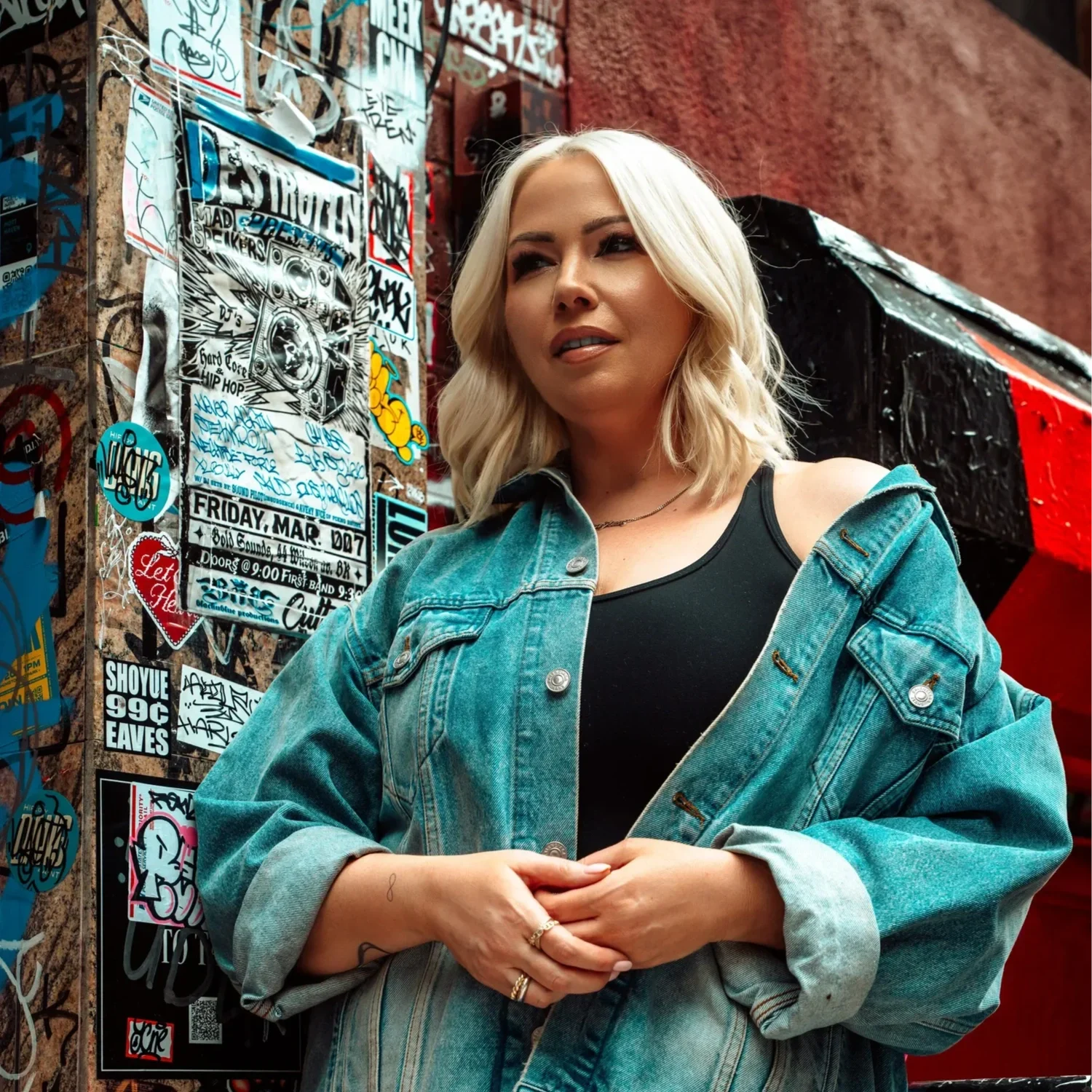
Featured Guests:
Cara Alwill
Cara Alwill is a bestselling author, speaker, and self-publishing pioneer who has spent nearly fifteen years helping women turn their voice into a platform. She's the author of ten books translated into ten languages, including her breakout hit Girl Code, which outsold titles like Lean In and earned her a two-book deal with Penguin Random House before she returned to self-publishing on her own terms. Today she runs Pink Ink Press, her own publishing house for bold, disruptive voices, and hosts the podcast Cara Says It All (formerly Style Your Mind), which has surpassed eleven million downloads and been recognized by Forbes as one of the top women-led podcasts.
Cait has been trying to get Cara Alwill in a room with us for ages, and she finally said yes. This one is a masterclass in building your own universe instead of waiting for one of the Big Five to hand you a key.
Cara is the 10-book author behind Girl Code, the founder of Pink Ink Press, and the host of Cara Says It All. She started blogging into the void in 2008, wrote for MTV News for free at 5am before her day job, got rejected by 19 publishers, self-published anyway, sold close to 100,000 copies of Girl Code on her own, signed the Penguin Random House deal she'd always dreamed of, and then walked away from all of it to build something better.
We get into the real math of a traditional book deal (spoiler: you pay the advance back, and then some), why "getting picked" is a trap, the ethics of writing memoir about people you actually dated, how literary salons are quietly changing publishing, and the moment that gave this episode its name. If you are an indie author, a memoirist, a Substack writer, or anyone sitting on a book you keep not writing, this is the pep talk and the reality check.
In This Episode
How one line in an email from author Marianna Pease sparked Pink Ink Press three days later. The MTV News origin story Cara says she's never told on a podcast (yes, she was in the pit at that VMAs). Why she started her Substack, House of Her, to hide in plain sight and write unhinged dating stories. The case for keeping 100% of your rights and 100% of your royalties. And how being seen means being willing to be misunderstood.
Find Cara:
Substack (House of Her): caraalwill.substack.com
Website + podcast (Cara Says It All): carasaysitall.com
Pink Ink Press: her boutique publishing imprint for bold, feminine, rebellious storytelling
Books: Girl Code, Like She Owns the Place, The Champagne Diet, and Don't Do Anything I Would Do
Instagram: @caraalwill
This episode's book break:
Liar, Liar by Lucy Lee, a steamy fake-dating debut romance from a Florida sister duo. Broke, jobless, and accidentally the winner of a $100k love-story contest, Lena talks her favorite banter buddy into fake-dating her to claim the prize. Fake dating, forced proximity, secret pining, roughly three chili peppers. Content notes for mental health, food insecurity, and references to abuse and loss.
Grab it: https://books2read.com/u/mVEQg2
Send this to the writer friend who keeps saying "someday" about their book.
Books featured on this podcast are sometimes provided free by publishers or authors.
-
Speaker 2: 00:00
The story with Kara is that she does so many things. She's like a badass business woman. And I have so many questions. Um, but so she has a publishing company called Pink Inc. And a lot of the girls that she has published do these like literary salons in my area. So like I've met them through these salons, and they're all like, oh my god, you have to meet Kara, you have to meet Kara. And like we've never like been able to meet up in person. There's so many things I want to know about her that I was like, you just need to come on.
Speaker 4: 00:37
So you this is literally the first time that we're talk you're talking to her.
Speaker 2: 00:40
Like like outside of like email and just like social media stuff, like yes, she has an insane substack. Um, she's an author, she's published a million books. Um she does a lot of like memoirs and stuff. She's so cool and so sweet. And all of her authors in her publishing company are just girls we want to hang out with and be friends with. I can't describe it. That's literally how much how like she must find like a great story, and then she was like, Is she a girl I want to hang out with? That's I'm that I'm publishing her book because they're all just like cool hangs.
Speaker 4: 01:18
So it sounds like we're starting with so what don't you do that's associated with sex would probably be a shorter list.
Speaker 2: 01:28
It's it's it's literally that like what don't you do? And how how do you do it all in the day?
Speaker 4: 01:36
Obviously, we go to we've gone to the conferences, we've done the things, it's a lot of older people whose children are out of the house and they finally have a moment to sit in their own thoughts and do the damn thing and make the book, or like and write the book and go through the publishing journey and everything. Millennials don't have the patience for that shit. We're just like we're just gonna do it. And if we struggle through it and it doesn't get done like super fast, at least we're doing it. Like there's no there's no there's no waiting for us. I think because we saw so many older generations wait to do what they loved.
Speaker 2: 02:19
And we're like, not waiting. And social is like when you see everybody else doing the thing that you want to do, you're just like, I want to do it now. I wanna do it now. It's also like for all of the busyness and stuff, it's also like the thing that keeps us sane. Or the thing that keeps us like moving. You know what I mean?
Speaker 4: 02:46
Yeah. I I think if we didn't have something for us in this dumpster fire, we would easily it would get dismal real quick. It would get dismal. Yeah. This is our means of having hope and uh shutting out all the bullshit.
Speaker 2: 03:03
I think so. I also like have this theory that like an object in motion. I mean yes, I made this scientific theory. Yeah. No, an object in motion stays in motion. Like, yes, it's a new thought today. No. But like, say like during COVID, I did not have children. I had nothing. And I was working on a book. Guess what I did during COVID? Didn't work on my book. Like nothing. I did zero things like creatively because I was not in motion. I was not already moving. It was gonna take a lot of energy to like put that wheel in motion. Whereas I feel like if you have a busy life, it's easy to maintain the motion because you are already going and it's like okay, we're going, we're going, we're going, we're going. Whereas if like you had nothing that was like getting you busy every day, it would be hard to like find that, like create that energy. I totally agree.
Speaker 4: 04:01
Yeah. It's easier, it's easier to slow down than it is to speed up.
Speaker 2: 04:08
That's it. That's what it is. Easier to slow down than it is to speed up. Yeah, but yeah.
Speaker 4: 04:13
I know what that one's thinking for a minute. That was really fucking that was a deep what, like seven minutes? Jesus. Okay, so there we go. That was the intro.
Speaker 2: 04:33
I was just talking about how we've been in the same circles, and I just I was like, this will be literally be the first time we've ever chatted. I know, I know.
Speaker 1: 04:43
I was like, when I first like found you guys, I was like, oh my God, like so many of like women I know follow you. And like I know, like, I think you spoke to Ian Gallagher.
Speaker 2: 04:50
Yeah, we're supposed to have her and Ava. I like I would I was just saying, I I was like, I want to have all these girls on because they're so cool and so fun.
Speaker: 04:57
I love that.
Speaker 2: 04:58
I love that.
Speaker 1: 04:58
I love seeing like my literary babies out in the wild doing cool things. So I have so many questions. I have so many questions.
Speaker 2: 05:05
So I was like, okay, so she has a publishing right, she has subsets, she has like every, she does everything. But also these girls are so cool. Is that like the barrier to entry? You're like, you have to be really cool at writing because their books are amazing and they're all like memoirs about how awesome they are, and they're all girls you want to hang out with.
Speaker 1: 05:25
I feel like I like everyone's like, what do you do? Like, who, you know, when you meet someone, I'm like, I'm a writer, of course, but I feel like I'm also a community builder. Like, I love bringing people together. It's like one of my greatest passions. So whatever it is that I'm into at that time, I just kind of like invite people to come along and do it with me. And I teach them, I coach them, I help them. I become friends with everybody. Like all of my authors and my clients are friends, and we drink wine together and say all the crazy things. Like everyone is just kind of like part of our world. Like whenever I meet someone, they're like, I think I met this person because she followed you on Substack, or I met this person because she follows you on Instagram. Like, I don't know what's going on, but like it's law of attraction for sure because the coolest people just like keep coming into like our universe. So I love it. Whatever it is, it's great.
Speaker 4: 06:13
Oh, I feel the same way. Like, even when I see like some of the like the followers like trickle in or like people comment on like some of our stuff. I'm like, hello, where did you come from? I'm so happy to see you.
Speaker 1: 06:26
Exactly. I'm telling you, it's like attracts like, like the cool people find cool people. It's just always the way that it goes.
Speaker 2: 06:31
What came first though? Like, was it the writing first? Was it the like where where did it where did this whole universe start?
Speaker 1: 06:39
Because you like you made your own universe. You literally did. I mean, honestly, like I started a blog. I'm gonna sound so ancient right now, and I can't believe it, but I started my blog in 2008. So 18 years ago, I started. That's when it was though. That's when we were doing that. It was the height of like blogging culture. I had a little blog on, you know, blog spot or whatever, a blogger. And I was just writing like into the universe, into the world. I was working a full-time job. I was at MTV, so I was in like a cubicle, and I just was like, I want to write. I mean, I wanted to write from the time I was a little girl. Like, I what?
Speaker 2: 07:17
Did you write an MTV?
Speaker: 07:20
Yes, traffic. That's where I worked. Yeah. Wait, why everyone just like gasped?
Speaker 1: 07:30
It sounds cooler than it was. I mean, it was a great job, but like I wasn't doing anything cool. I was trafficking ads to the internet. I was in like the digital advertising operations team. So I was like total like nerding out, like coding the website and like putting ads up. Um, I did, it's a very long story. I wanted to be a music journalist. I had a zine back in the 90s, and then I wound up at MTV because it was like the only I was apply, I used to like apply to every job at MTV that I could find on the website when I was in my 20s. Like I would do anything. I'm like, I could tweak my resume to like fit whatever they wanted me to be, basically. And then like this advertising operations team like hired me, and I had no idea what I was doing, but I figured it out. Um, but I, you know, it was like a tech job. So I was really bored. I'm like super creative. I wanted to write books my whole life. I used to write like put together books when I was a little girl, like glue them together and like draw and shit. Um, so I was like, I can't stay trapped in this like corporate job. My therapist was like, you have the golden handcuffs on, you know, because I was making good money and I was like good at what I did, but I was like, this just can't be it. Um, so I started a blog called The Champagne Diet. So that was like my foray into like officially like writing and publishing my work online. And I mean, I won't take you the whole 18-year story, but like essentially that was where my community was built. And like this was before Instagram. Like, this is like I feel like a dinosaur. Like Twitter, I had a personal Facebook page with like family members on it and like my neighbors, and then a Twitter account. And I didn't know what the hell I was doing. I didn't even know that, like, I remember my friend like showing me that I could like check DMs on Twitter. I didn't even know that I had any messages waiting. I would just be like, this is my blog today, and just like post it. But like people would respond and then I would respond back. And I just like loved connecting with people online. I was like, I was like the girl in the chat room when chat rooms first became a thing, like talking to people to like three o'clock in the morning. I didn't know who I was talking to. I just liked sharing and like connecting with people. Yeah. So we've been working on it a long time of community and writing for sure.
Speaker 2: 09:30
But that's it, that's honestly like the people now who who are doing the cool shit, like what you're doing. Like that's everybody who started in high school. Like, I mean, I was graduate, I graduated in 2006, but like all of my friends who had started these like niche fan-based things, we were just talking about fan fiction on the last episode. And like, that's who, as adults, we are the creators. Yes. Now I agree.
Speaker 1: 09:56
And I think we're kind of like the blueprint for like the younger generation. Like, they're all nostalgic and they all want to like do all these things, but like we did that, you know. So I think it's kind of cool that we sort of like put ourselves out there creatively before like social media is had become what it has become now, you know, like way before TikTok, way before, you know, people were connecting.
Speaker 4: 10:16
Like we had to like figure it out in chat rooms and like the infancy of social media. Yes, truly, really what it was today. Truly.
Speaker 2: 10:28
And learning the coding and designing, if even like MySpace or like learning how to those skills were, I mean, yeah, I think that's all my friends who were doing really cool shit now. They were building a fan base on MySpace or in chat ribs, or in yeah.
Speaker 1: 10:45
I mean, and you had to work for it back then, like you had to figure out how to get that song on your profile. Like, nobody was you were like some of a drop-down.
Speaker 4: 10:53
Yeah. And there was no chat GPT to tell you how to do it.
Speaker 2: 10:59
So true. Exactly. It's so true. So then, okay, so then the blog becomes Substack, becomes the blogs of thousands of people following you. It can become a big one.
Speaker 1: 11:12
The blog turned into a book first. Like, and that was really like the whole impetus for starting the blog. I wanted to write a book, but you know, I was a clueless, like 20-something year old, and I was like, I don't know. Like, I just who's gonna read this book? You know, and I started like researching and going on all of these, like, like, God, what was the website I used to go on? It was like writersomething.com and there were like forums. Okay. So, like, again, pre-social media. And I would just ask people questions. I'm like, how do I write a book? And I learned all about like querying agents and you know, traditional publishing, and every single person told me the same thing. They're like, you need a platform. You know, I was 20 something. There's like a meme that's going around now. It's like, write on Substack with the confidence of a 25-year-old writing a memoir. And I'm like, that was me. I'm writing my memoirs. Like, what the fuck do I know? I'm in my 20s. Like, but I was told I had to have this platform. So I started the blog. And then from there, I wound up finding a literary agent and pitching the book and like getting rejected by 19 different publishers and then self-publishing my book. And I've the whole, it's a whole long journey with that. But essentially, you know, 10 books later, I had now I'm on Substack. So I started my Substack in 2023 to kind of like promote the last book that I came out with, my dating memoir, because I wanted to like move genres and just kind of like be in hiding a little bit. It was before a lot of people were really doing Substack. Um, so I was like personal development, you know, like talking about female entrepreneurship by day on Instagram. And at night, I was like writing these unhinged dating stories on Substack because nobody knew me over there. That's so cool.
Speaker 4: 12:47
Okay. I'm just gonna say it. This needs to be a movie. We like there's a screenplay somewhere in here.
Speaker 1: 12:53
Where's the movie?
Speaker 4: 12:54
Yeah. When's the movie coming out?
Speaker 1: 12:58
Listen, from your lips to God's ears. Like that's like the dream, right? Like I would love. I I actually like, yeah, I would love, I don't know who would play me though. I don't know. I'd be like psycho about that, right? Have you ever thought about who would play you in a movie? Like that would fuck up my head a little bit.
Speaker 4: 13:14
I'm a stone for me if I had a movie. I like that. Very specific. That was so specific.
Speaker 2: 13:22
I have literally no idea, and I've honestly never thought about it, but I've like I I feel like this has like Sex of the City vibes too, but like that is totally your brand, and it is so fun and so cool. And I've so enjoyed following you and your subsec. Um and I so that that would be the movie. It would be like fucking so glamorous. But wait, the MTV days, I like I'm still trying to wrap my head around this because that I'm like fangirling so hard right now.
Speaker 1: 13:52
It was crazy. Oh my god, you gotta so like I I was nuts. Like I took the job in advertising, but I still wanted to write for MTV news because I like idolized Tabitha Sorin back in the day, remember? Kurt Loader. Like they were my heroes.
Speaker 2: 14:06
Kurt Loader. Oh my god.
Speaker 1: 14:08
Yes, I was obsessed. So they used I used to see them. Well, she wasn't there, but I would see Kurt like in the little cafe building. Carson Daly, like all of them. Yeah, it's crazy.
Speaker 2: 14:18
You were in the downtown. I mean, like, I don't know what other building, I don't know if they had other buildings, but you were in you went to work in that building at the Yeah, 1515 Broadway.
Speaker: 14:26
Mm-hmm.
Speaker 2: 14:27
For eight years. But Carson Daly, yeah. I mean, what a fucking beginning. That is so crazy.
Speaker 1: 14:33
And actually, this is pretty wild. I don't think I've ever told this story like on a podcast or anything, but I um I wanted to write for MTV News. So I found the guy's email, like the editor's email of MTV News. And I was like, hey, I work up, you know, on like whatever it was like the 46th floor. I work in adopts, like I would love to write for MTV News. Like, I'll do it for free. You know, I don't care. I just want to do this. And he was like, Well, he's like, you know, send me writing sample. So I sent him stuff. And he's like, we can't pay you because you're already employed by the company. But if you want to just submit some stuff, like you can. So I started writing like for free. Like I would get up at like five in the morning before I would like I lived in Brooklyn, before I'd get on the bus, which was like an hour and a half ride to get there to work every day. I'd get up at 5 a.m., read the news, and I would pitch stories. So like I was, you know, celebrity stuff, like gossip, music gossip. And my articles would get published. And I never forget one day I'm leaving and I'm sitting in my cubicle and I'm like packing up and it's like 5:30, and he calls me. He's like, hey, he's like, are you free tomorrow night? And I was like, yeah. Like, was he like asking me out? Like, this is so weird, you know? And he's like, Well, we need an uh a reporter to cover the VMAs. Like, are you able to go? So I went as like an embedded reporter, and I stood in the pit at the VMAs, and it was the crazy one where um Taylor Swift got her thing taken away by gone. Stop! Yeah, you were there. I like wrote an article about it was crazy. It's when Alicia Keys did uh Empire State of Mind for the first time. Yeah, it was wild. It was wild. Yeah, I had to interview people about a little history being in the pit. Yeah, this is like weird Carolore that I never really talk about. It was pretty funny.
Speaker 2: 16:16
That's how cool. That's how you know you're so cool that that's like a story you don't even talk about. Like if that were me, I that would be the story I'd tell everybody the second we need. Like that would be my fun fact at every icebreaker.
Speaker 1: 16:28
I mean, I wanted to do it. Like I I was gonna like transfer and like go work there, but they were paying like nothing. Like I was making like, I'm talking like they were paying like $20,000 a year for like a writer job, and I was making like 60 or something. You know what I mean? Like it was a big gap. Like I couldn't, I wouldn't have been able to like eat, which is so sad, right? Like poverty. Writers should make more money. Like, yeah, it was crazy.
Speaker 2: 16:52
So we do the Substack, and then you publish all these books and you build this incredible community of women. And I was telling Jenna before you signed on, which should probably just be like the intro to this episode that like we we met through uh doing these literary salons. But it seems like now you started it in New York, and now and now it's kind of taking on another life of its own and going to all these different cities. Like, what's going on with that?
Speaker 1: 17:20
Well, I started my literary salon. It was called the Tortured Bloggers Department, because it came out. I started it when Taylor dropped that album. I was like, oh, this is a funny plan words like tortured poets. So the tortured bloggers department, and it initially started as a Substack meetup. I was like, hey, anyone out there on Substack that wants to meet up and like hang out in New York, like I'm a writer, like let me meet other writers. And then I was like, maybe I'll read something at it. And then like I was like, maybe I'll ask somebody else to read at it. And then my friend Melissa, who runs the Kings County Distillery, was like, you can do it here. And I was like, I'm just gonna make my own literary salon because I would read or I would like try to read it, like ones around the city. And I did for like a year or so. I started reading at other people's, but you know how it is. It's like there's there would be like one every other month, and like I you'd have to like wait and hear if you like, and I was like, fuck this. I don't want to wait on people. I'm just gonna start my own. So I started my own salon and I ran it for two years. And then a lot of the girls that came to read for me started their own. So like Mariana Pease has one. She's one of my authors on my publishing house. She does one in Boston. Like everybody's just sort of like doing their own and they're kind of like popping up everywhere, which I think is cool. And I just think in general, I'm seeing more literary events, especially in New York. I mean, but really all over the country. And I just think that it's so awesome that people are like getting together in person and like reading together and just authors are connecting with each other. And it's I feel like I've waited like my whole life for that because that was it was so underground before, at least for me. Like I didn't really see a lot of opportunities where there were rooms of women just like getting up and reading their crazy, wild, unhinged stories. And that was like the premise for mine, the reason I called it the Tortured Bloggers Department is because it was all about like your most cringe-worthy dating stories or like love stories. And then it evolved over time, and it was really just about like love stories in general, like the love story you have with yourself or friendship. So it was really fun. I got engaged though. So I wrote, I wrote a dating memoir, which is right here. Um it's pink shocker, right? I wrote that in 2023. This is why I started my Substack. And then I got engaged to one of the guys I wrote about in the memoir. So I wound up moving for love. I know it's a cliche, to Jacksonville, Florida, where I live now, but I go back and forth. So I'm in New York like every month because my whole family's still there. So I don't do the salon anymore because I'm in Florida.
Speaker 4: 19:43
Well, and because you don't have any more dating material in this year.
Speaker 1: 19:51
I've got lots of other crazy material, but it's not dating.
Speaker 2: 19:56
I feel like I'm that's so cool because I'm like, there's always um, I feel like there's so much literature out there that are about that's like about the woman who writes the dating blog and like then meets the guy. But how does it work in real life when you are writing subsex and memoirs about people you're dating? Like, what are the logistics on that as a writer? Are you telling them? Are you how what are you disclosing?
Speaker 1: 20:17
Are you asking them? It's funny say that because I remember when I was like on the dating apps, like I would like on my hinge account, like sometimes I would write author and sometimes I would like remove it because I would meet people and they'd be like, Are you gonna write about this date? Like, are you gonna write about me?
Speaker 4: 20:31
You've written books before, and I'd be like, Oh god, like don't flatter yourself, but maybe just like is this the competition to be like the craziest one or like the most genuine? Because I don't think Yeah, seriously.
Speaker 1: 20:44
So I did write about a lot of those men, but I changed details, of course, like in memoir, I changed all the identifying details. But I mean, if somebody, if somebody knows what they did and knows how they behaved and read the book, they would identify, they would recognize themselves in the pages for sure. But it's crazy because the, you know, my fiance now who I wrote about, and I left the book on a cliffhanger. So I like left people like not really knowing what the next thing was because we were broken up at the end of the book. So I leave it on a cliffhanger and that, and now, you know, we're together. So like everything was very public. And it was interesting because when you're writing your life, um, as you guys know, like as writers and readers, like it's you're putting it all out there. So it was different for me because I was like, oh shit, like what are people gonna think? Like when I tell them that we got back together and that we got engaged and we lived together. But it was overwhelmingly supportive, I would say. And I think reading the book back now, like when I was writing it, it was, I was still kind of like in the place of, you know, kind of having just come off this whole tri crazy train that I was on for years. Um, but I read it back now very differently. Like I'm reading it back now, like, oh, like I actually it wasn't always just them, you know. Like, I mean, and I didn't. Like revenge, right? I wasn't writing like horrible things, but I was really telling the story, but I'm able to look back now and see the role that I played in a lot of these relationships, which is interesting. And I think that's what like the next book is gonna be. Because I think when we, you know, I think the best kind of memoir has a lot of perspective in it and has a lot of uh reflection. And I'm able to kind of give myself a lot more grace now and see where I was maybe the problem. Some of my adventures, my misadventures. Um, but yeah, writing about other people is tricky for sure. I think my rule of thumb is always like try not to focus too much on that person and focus more on like how you responded to what was going on or how you navigated life during that time.
Speaker 4: 22:45
Mm-hmm. Yeah, because you never you you don't know what's going through their head, and if it's if it's non-fiction, you can't get in their head about it and you can't interview them. It's fascinating. And it's only your perspective.
Speaker 1: 22:58
There's three sides to every story, right?
Speaker 4: 23:00
So Oh, I always say that.
Speaker 1: 23:02
I always say we all do that though, with everything, right? And I think I wanted to write this book. I wanted to be close to it when I wrote it, because one, I just think that makes for more interesting writing, personally. I know they say, like, tell from the wound, tell from the scar, not the wound. But like, I kind of like being close to the work. I think it's a little more emotionally charged when you can, you know, not trauma dump or write a diary, but like still be close enough to something that happened where you still feel the emotions. Cause I think if we take too much time away from a story, we're like, we just, I don't know, our memory kind of blurs things and protects us, and we we're not really able to like recall it in the same visceral way that we are when we're like in it, you know?
Speaker 4: 23:46
Especially because readers respond to the visceral nature of it. And it's when when you read someone's trauma, reading it after it's happened like years and years and years ago, it doesn't have that like strong like almost like a taste to it. You know what I mean? That sounds like really weird to say, but it's it it's cathartic when you read very raw stuff.
Speaker 2: 24:17
I agree. Yeah, very it's raw. And I think that like I think as authors or writers, we we are trying to always be as uh close to the honesty and the realness as we possibly can and and be as honest and authentic as we can. And we I feel like if you're in it, when you're in it, it's the most honest you can be with with something. I totally can relate to that. And I think like, yeah, like the joke about the 25-year-old writing a memoir, but I think we write memoir to process what we're going through. Otherwise, it's it's not always it's not always like a morality play, or like it's not like us saying, like, here's how things should be or how they shouldn't be, or this is just what I went through, and I'm working through that with this please piece of art, I guess. Like I'm using this medium to work through what I went through.
Speaker 4: 25:08
But it gives it gives your mind space. And it gives your mind like almost like you can be more kind to yourself then after the fact, after you've gone through all of it again and like your writing, and you don't have to sit there and beat up on yourself of like the what ifs or you know, trying to dissect what happened because it's like you did that, you went through it.
Speaker 2: 25:29
But it also must be, yeah, like what you do when you blog, right? Because you're not writing a blog like five years after. No, whatever. Exactly.
Speaker 1: 25:38
I was just gonna say, what's the point? And that's why I love Substack so much because I really am processing so much in real time, basically. Like, especially now, like I've been writing about, you know, like the past year, for example, that I've like since I moved and like what it was like to leave New York. Like, my I was born and raised there, my whole identity was tied to that city and my family and my whole life. So I've really been writing and it like it's naturally shaping like my message, right, with the world, like what I'm going through. And a lot of it is identity and it is getting older and how you navigate that as a woman. Like I'm in my 40s now and like I just became a stepmom. I never wanted kids. I'm like, all these things are naturally coming up, and I'm able to write about them. And I think it's it's interesting because you just naturally start connecting with the right people when you're honest and you tell your story. You know, like if you would have told me three years ago you're gonna be writing about like stepmotherhood, I'd be like, yo, what the hell? It's no way in hell that I'm doing that. Like, what? You know, but now I'm like, I'm writing, and like I always have like I write kind of in a funny way. So it's like I'm not writing these like deeply personal and reflective things all the time, but I can make fun of myself. And I'm like, the hell am I doing in a school pickup line right now? Like I'm not supposed to be here. Like this wasn't what was supposed to happen. Oh my gosh. But like it did, and it's still beautiful and awesome. And I think, you know, when you have a career, especially a literary career, and you have people that have been around for a long time. Like I have women write to me and they're like, I've been following you since 2010 or 2011. That's like really powerful because they've been on that journey with you and you've been on their journey, hopefully, right? Like, hopefully they're reaching out to you and messaging you. And I've seen people just like, I feel like I've grown up with a lot of my readers, which is really cool. It's my God. Such a crazy perspective. And I think that's the whole point for me at least of writing, it's to connect with somebody else, right? Like to be like, this is what I'm going through. Can you relate? Let's go through it together and and write about it and hopefully have a conversation about it through the writing or through the communities that we build, whether it's a literary salon or a workshop or whatever that looks like.
Speaker 4: 27:48
Yeah, it's like a it's a sign of good art when you can actually talk about it and like commune in it together and not have it be a solitary experience all the time.
Speaker 2: 28:03
Isn't that the point? It's the point of what we're doing.
Speaker 1: 28:05
I agree. And I think like, you know, I know the word brand is so overused, like personal brand, but like if you do want to make money and build a brand and a universe and things that people can attach themselves to or learn from, like, you have to be willing to have a conversation about your art. Otherwise, you're just putting it out there and you're in a vacuum. And, you know, I think a lot of writers especially don't really want to be visible, and it makes me sad because you could be doing so much more with your writing if you are willing to be out there.
Speaker 4: 28:37
Yes. That was the biggest thing I learned in college because I went to art school and class number one, you gotta stand up and you gotta talk about your art. You gotta talk about what you did and why. And if you couldn't, you literally missed out on half of the point. And like the professors would say, if you can defend your stuff, if you can defend your reasoning, and I don't necessarily agree with your execution, a hundred percent you will be getting a good grade because that's the whole exercise. And I it hasn't invented it hasn't been until like I started doing like the podcast part of the writing journey, is that that was one of the most valuable lessons I think I learned was being able to talk and connect and not just let your art speak for itself. Like, no, you are the voice box for it. Yeah.
Speaker 2: 29:36
So yeah, I think outside of this too, I feel like we're gonna be emailing you a lot of questions on how you handle certain things and uh with your how long you've been around and doing this for. But since day one, we've like on this podcast have talked about visibility. And even like you said, with like law of attraction in the universe, is if if you are if you are not putting your energy and making yourself visible in the community at least, then how do you expect the community to like give that energy back to you? It's so true. It's so refreshing to hear your perspective on that.
Speaker 1: 30:15
Yeah, and you've got to be willing to be seen and also misunderstood. You know, like not everybody's gonna get it. Not everyone's gonna like what you're doing, not everyone's gonna understand what you're doing. I I experienced that a lot when I went from writing like personal and professional development books. Like I got kind of like was like put on the map, so to speak, from my book called Girl Code, which was all about like women supporting women in business. And then I jumped over to writing this like wild dating memoir, and like a lot of people didn't get it. A lot of people weren't interested. I have people tell me that they unfollowed me. They're like, I wasn't interested in your content anymore. And I'm like, okay, great, but fine, you know. But people are vocal about it. And there are there are people who just, you know, don't understand. And I also realize like it's a risk. You know, like being an artist, which we are as writers, is risky because you're willing to share parts of yourself that, you know, may make you look not as stable as maybe you want, right? When you're kids.
Speaker 4: 31:15
That's the nicest way to put it.
unknown: 31:16
Yeah.
Speaker 4: 31:16
That is I don't read it as stable as I want.
Speaker 1: 31:21
I told on myself hardcore in this book. Like, I told on myself. Like, there's Chris stories in there, and like I took a risk because again, I was known for this like one thing. I was like this woman who had all her shit together, you know. And then I'm talking about going on these like drunken benders with this guy in a Chinatown hotel, you know, like so, like people, I'm sure, were like, whoa. But again, it's all truthful and it's it's the realization of like, okay, this was a blip, a time in my life where I was really figuring things out and I gave myself a lot of grace for it. And I think we all have periods in life like that where it doesn't look as perfect on the outside. I just think people aren't willing to put it in print always.
Speaker 4: 32:05
But it also is very different than what you're what is considered traditional for social media of the perfect, pristine, aesthetic, all of that. And when you put those two things next to each other, it's it's really cool when it when it all works together and it creates a really cool picture. But yes, I can see exactly how that makes people uncomfortable.
unknown: 32:30
Yeah.
Speaker 4: 32:31
And it's very beginning.
Speaker: 32:33
Okay.
Speaker 4: 32:34
Oh, go ahead, Kate.
Speaker 2: 32:35
Okay, I was just gonna say, like, I was gonna ask kind of what your advice is for handling that type of adversity on here on social or like with your audience.
Speaker 1: 32:48
You know, you have to have a lot of conviction in what you're doing. And I think any time that I got a little shaky, like reading a comment or like seeing something online, like written about me, I had to like come back to like my why, as cheesy as that sounds, but I had to come back to the part of me that was like, this book had to come out of me. Like I'm obsessed with it, you know, like I'm obsessed with everything. I think we should all be obsessed with what we do. You know, like like I know it sounds weird, but like I'm obsessed with my work. If you don't love what you're doing, what do you what's the point? Right. So like I had to come back to like this feeling of like I love this so much, and like I would read this if somebody else was writing it. So like there's no negotiating with your truth, right? You can't negotiate with yourself in your own honesty, otherwise you're selling out and you're you're what's the point? You know, you might as well go back to whatever you were doing before. So, like, I guess realizing that, like, you know, when you put yourself out there, there's gonna be opinions. But if you know and you're convicted about what you're doing and why you're doing it, none of that stuff should matter. And again, I think if you're pleasing everybody, like this is the biggest thing I tell all my writing clients. I'm like, you need to let go of your people pleasing, like from the start, if you're gonna write, you cannot let that be in your head because you're gonna water yourself down so much that like you're just no one's gonna care. You're not gonna write anything interesting because it's just gonna be so safe, you know?
Speaker 4: 34:17
Yes. You know that part of the show where other podcasts try to convince you that your mattress is out to get you? Well, this is that part, except we skipped the mattress and brought you a book. So, welcome to the book break. And since it's our very first one, we picked a really good one. Today's book is Liar Liar, the debut romance from Lucy Lee. Lena is broke, jobless, and the accidental winner of a hundred thousand dollar love story contest. The fine print, she needs a real couple to claim the money, and she is extremely single. So she talks Mac, her favorite banter buddy, from Liars Anonymous into fake dating her. And the lie does not stay a lie for very long. So if you live for fake dating, forced proximity, and a slow burn of secret pining, this one's got your name on it. It's open door and steamy, and about three out of five chili peppers. Our favorite line from the book? Quote, of all the lies I've ever heard before, I love you is my favorite. Liar Liar is out now. Link is in the show notes.
Speaker 2: 35:20
But yeah, I really want to go into pink ink and like how that started. What the girls are doing, like what's the update, what's going on today. Like, I don't just like dive right in with that.
Speaker 4: 35:29
Cause who doesn't, first of all, love the name? Brilliant. Seriously. It's the whole brand.
Speaker 1: 35:36
You guys want to die? I came up with that name when I was 17 and I had a music zine, and I wanted to be, I wanted like a music, I wanted to start like a marketing company for bands. I don't know, my little teenage self. And I was like, I'm gonna call it Pink Inc. And that name just stayed with me like forever. So I like knew I would use it at some point, and it just made more sense, even more sense for like my publishing company. But um, I started as a self-published author because I was rejected by 19 publishers. And then Girl Code, which was my fourth self-published book, took off. I sold close to 100,000 copies on Amazon by myself in the first year. It was like insane, like total crazy. So Penguin Random House, of course, came knocking, as did a lot of other publishers. Um, we want to publish you. And I was still like, I thought I had taken the book as far as I could on my own. Um, I thought I was gonna become like a New York Times bestseller, which is all bullshit, as we know. So I signed a deal. I signed a double book deal with them, and I sold the rights to Girl Code, and then I did this book, like She Owns the Place. And you guys, it was the most disheartening experience of my life, like working with the traditional publisher. I could do a whole episode on that and how awful it is.
Speaker 2: 36:49
Yes, we hear it all the time.
Speaker 1: 36:52
It was so and I was already like a I was already an author that was like selling books. So like I assume that I got great treatment. I can't imagine a new author coming in how they felt, because if I felt cited, I had a great advance. I will say that. Although I did speak to an agent later on, she's like, they should have given you so much more. But like it was, I thought it was a decent advance, and I I had this vision. I thought like I still wanted to be chosen. You know, I was like, I still held on to that dream of like having this book deal, hated it, wound up not um optioning my next book. I just did it on my own, went back to self-publishing. But I I started like consulting for people years ago who wanted to write books. And I do this course called self-publish with my friend Amanda Francis. And I was like, I could do more. Like, there's something here. I want to start a publishing company, but I didn't have like millions of dollars to like offer advances and like pay for books to be published. And I didn't want to sit there with a spreadsheet every month and be like, I'm keeping this much of the royalties and you'll get this much. And it went against everything I believed because I hated the fact that yeah, I got a great advance from Penguin, but like I still haven't earned it out almost 10 years later, you know? Because, yeah, because and I've sold a lot of books, like a lot of people don't know that that's how it works. People have no idea. You're gonna pay your advance back. And not only do you pay it back, but you pay back your portion of the book. So if a book is $17 and your royalty rate is like 10%, you know, like do the math. It takes a really long time for you to, you know, make that money back. So anyway, I was like just sitting there one day and I was uh working with um Mariana Peace. She's one of my clients, a writer, one of my writing clients. And she, I was like, you know, gonna help her publish her last book, whatever. And she's like, by the way, we were emailing one day, it was like last November. She's like, if you ever start a publishing imprint, like I'm in. Like all the girlies will sign with you. And I was like, I turned to my fiance and I was like, this is it. Like, I've got to do it. I've got to figure out what that looks like. And I flew to New York like the next day to go visit my family. And I was up there and I was just the whole thing just came to me, like on the plane. And I was like, I'm starting this publishing house called Pink Inc. I want authors to keep 100% of their royalties and a hundred percent of their rights, because those were the two most important things to me. I was like, I'm not, I don't want to own this book. I basically want to take the model that I had, which was like consulting and strategizing, but turn that into a publishing house where I'd keep that relationship with that author long after the book was published. So they essentially fund the book up front, right? They pay for obviously the production of the book. So I handle like the cover design. I hire, I have an editor in-house who you should have on your podcast, by the way, but that's a whole other conversation. Zara Barry Loveless.
Speaker 4: 39:42
Yes.
Speaker 1: 39:43
Phenomenal writer. Um, we do the cover design, we do everything. So we like essentially essentially like produce the whole book for them. And then they're part of the community. So like anytime I do a literary salon, they come and read, I showcase them, I bring them into my world. Um, and that's the way that we're able to run it for now. And it's going really well. It's very boutique. So I have three authors total, but I'm super passionate about their books and their messages. And I really want to publish through Pink Inc. like books that traditional publishing is too afraid to take a chance on. New voices, bold voices, um, women that maybe don't have a massive platform but are in the beginning of building it. And that's another thing that I do with my authors is I really develop their platform with them. So I'm helping them with strategize their substacks, their social media, like they're under my wing essentially, like forever for as long as they want to be. Um yeah, and we published their book. So it's been really, really fulfilling. And it just feels like this is what I should have always been doing. But I had to kind of go down this road to get to this point where I figured out what it was.
Speaker 4: 40:46
I know we're like doing that for ourselves, Kate, but I just, I just weren't care to do it for me.
Speaker 2: 40:53
I know. Like sold, like okay, yeah. So, you know, literally.
Speaker 5: 40:58
Yeah.
Speaker 2: 40:58
But it's so important. I think that mentorship too is like not talked about enough in the community. Um, and mentorship programs, if you have one through like your writers group or whatever, are not great. Like they're very like, what do we do with you? And like they're very short, they're not long term. And so, like, I I yeah, like to have a mentor is priceless.
Speaker 1: 41:22
Yeah, and like I didn't get like when I signed my deal with Penguin, like they basically like own me forever. Like, I can't get the rights back to Girl Code or like she owns the place. And like I got all I got was a published book. Like they didn't really do anything. Like I sold the books myself, like I promoted them, I set up my interviews, like I so I kind of looked at all the holes that were missing in that publishing process and filled them in in pink ink. And one of the biggest things was mentoring and being somebody that's been there. You know, I have relationships with all of my foreign uh publishers. So, like my publisher in France, my publisher publisher in Bulgaria, like I send the manuscripts to them personally for consideration for translations. Like that stuff is all done, you know, very differently in the traditional world. And if you're a self-published author, it's basically impossible to do that because you don't know those people and you don't have those relationships. So yeah, being able to like mentor them and be like, okay, this is, you know, how you should work this. If they want to start a literary salon, like I'll talk to them about that and help them figure out how to produce a really great event. So yeah, it's a very unique relationship, but it's something that I'm just like so passionate about because I just want every woman in the world to tell her story, as cliche as that sounds. I think we all have like a book in us or 10. Um, and we should have it. Hell yeah, we do. Yeah.
unknown: 42:42
Yeah.
Speaker 1: 42:42
Exactly. Of course.
Speaker 2: 42:45
Yeah. My God, was it? I I that I love your story because I do think that that is such a common thing today, especially on social where you see indie authors who are super successful or who are selling, and then they do go trad because that always seems like maybe that's the goal. Like it's just now I I've sold 10,000 copies of my book. So maybe now um Penguin or HarperCollins is going to be interested in buying it. And it's like, why aren't we talking about that's maybe like why? You're you're killing it. You're selling so many. You're also killing it.
Speaker 1: 43:19
You're like, if you're selling 10,000 copies, you're making a really nice living off of your book. So like, why would you give that away? Why would you give a lion's share of your royalties away just to say Harper Collins chose me? Like, and if you look at like, I don't know if you guys read Publishers Weekly, but I read it every morning and like everything is changing. Like they're realizing, like Simon and Schuster has like a hybrid publishing company now because they're realizing that traditional authors that just we don't need publishers anymore. So they're they're freaked out. And I think we just need to let go of that desire to be picked because that's really I mean, again, that's the only reason why I did it because I wanted to be, I wanted to say that I was a Penguin Random House author. You know, it's it's not worth it. Take it from me.
Speaker 2: 44:05
Don't do it.
Speaker 4: 44:06
Resist. Yeah.
Speaker 2: 44:07
Yeah. And there's the fallacy that they're gonna put out their, you know, your they're gonna market your book or whatever it is. The argument for going trad. But when we've interviewed a lot of authors too that are HarperCollins or their bestseller, whatever it is, they're they're doing both. They're doing both. They're putting out, they're putting out their trad. This book is appropriate for the trad space, but I'm gonna go write this other thing and I'm gonna publish it myself so that I own it.
Speaker 1: 44:34
Yeah, not only do you own it, but you do it much faster. It takes about, I would say, at least a year and a half before your book is coming out from the moment you sign the deal. And that doesn't even count the time if you went the agent route and pitching. I mean, you're looking at like three years probably from start to finish. Nobody has time to wait for that. Um, I don't know about you guys, but like I, when I have an idea, like it's gotta happen like yesterday. Like I want it now, like I don't have a lot of patience. I also think, like, again, not to bring up the universe and sound a little woo-woo, but I am. Like, I believe in the energy of inspiration. And when you have an idea for something, if you can move with it, I think that there's magic in that momentum. So, why create a bottleneck that is not gonna do a whole lot for you? Like, when I I remember like the publicist that they put on my book was like, she had just, she was like an intern and it was like she was like an assistant publicist. So she wasn't getting me any PR. And I remember in the end when my editor left, she apologized to me. She's like, I'm really sorry that that happened. But like we do these like meetings where if somebody wants to work on a book, they get to, you know, ask to work on the book and she wanted to work on yours. And even though she was a junior publicist, like she didn't do, you know, a good job. And I think they got me like two interviews on some like business blogs and like everything else I did on my own. Like all of my networking, connecting with people, appearing on podcasts, like I would send like DMs to people, like, you know, can I write for your whatever? Like it was just what was the point, you know? So again, I know everybody has a different experience, but like I would say 99% of the authors I talk to that go trad regret it or are like wildly disappointed by the experience.
Speaker 4: 46:16
And it's not going to, I don't know, it's not gonna let you focus on like the creative art part for as long as you want. Like then you just get bogged in the details and the and the am I gonna make my advance? Like, why am I doing this? And you don't get to just sit and revel in what you did. And that was right a whole damn.
Speaker 1: 46:39
Yeah, there's um, I'm trying to look up her name really quick. Because she writes on Substack. Amy is her name. Hold on. I have to find her and show her you guys because she's very honest about her experience with writing and going the traditional route. Amy Chan. Have you heard of her?
Speaker 2: 46:56
Definitely look- I feel like I've heard her name.
Speaker 1: 46:58
Yeah, I've sheard she wrote a post that went viral and it was um how she spent, I think, like $44,000 on ads for her book that she had a publisher for, by the way. And like basically got like no ROI for it. And she talks about like what she made off of her books and you know, just how I love transparency.
Speaker 4: 47:19
I love it.
Speaker 1: 47:20
Me too, especially for writers, because I think people are just disillusioned. Like, I'm and I'm even honest about my books. Like, Girl Code was the breakout success, obviously. But and like my books have done well, but like I'm not selling 100,000 copies every month of all my books. Like, there are months when things get slow. There are books that do better than others, there are books that are really slow and then get this like second life later on. So it really just depends. And I think that, you know, the biggest thing that I'll say to anybody on here that's listening that wants to write a book is like keep your rights. Like, keep that book, self-publish it, or go with Pink Inc or someone like me who's like helping you and stewarding the book, but like just, I don't know, just be really wise and really smart. I think you can make a career as an author, but it also takes a lot more than books. It takes building an entire brand and platform around what you do, whether that's teaching, consulting, having a sub stack with paid subscriptions. Like there's a lot of different things that go into being a successful writer.
Speaker 4: 48:23
Even when we started, like the whole reason why we started the podcast, Kate, was because everyone kept saying, like, you need a platform, you need a brand, you need to put yourself in the community and make space for yourself. And then we're like, okay, cool, like we're gonna be like far more attractive, like to agents and publishers and all of that. And then we're like, well, we're just gonna do it ourselves now.
Speaker 2: 48:47
At this point, that's yeah, and exactly what you're saying. Like at this point, why would I give everything that we've built away to somebody else? And it just becomes increasingly clear that this is not the way anymore. Like we can go get our own, we can me and Jenna can go do an event right now at Love Struct if we want to, because we've built this, you know. Like I think and it's like, yeah, if you're out there like actively promoting yourself and and building that platform and building a community around you, then like you're you're also selling the rights and you're also selling all of that to somebody else, everything you've built, not just the work, right?
Speaker 1: 49:27
And honestly, I think a lot of authors like sign deals to look cool in front of other authors, but the reader doesn't know, nor do they care. No one's flipping a book over, going, Oh, Simon and Chucer, I'm buying this. They don't know.
Speaker 4: 49:43
They don't give a shit. No.
Speaker 2: 49:45
Oh, yeah. And it's just a crapshoot too with all of that. But I I honestly like the thing too with me is that if I got signed to like a two-book deal, the conversations we have with authors are like, yeah, and then for the second book, I just I don't know. I worked with my editor to come up with what would be good for the second book. And I'm like, I couldn't work like that. Like, I need to have the idea, I need to have the passion, like already ready to go. I couldn't just be like, all right, let's pick up a pen. We gotta write a second book. But that's what everyone's doing when they have those deadlines and contracts too.
Speaker 1: 50:18
It's the machine. I mean, I'll tell you, so like she, I so they bought Girl Code and then I I they sold, I sold the rights to like she owns the place, which is what the book became. By the time that that book was out, I was like over that conversation. And I love that book and I'm proud of that book. But like spending 18 months taught writing and talking about the same thing, I was exhausted. I was like on to the next thing. So you know, yeah, I think that you've gotta, you've just gotta trust yourself and also realize that like they need you so much more than you need them, you know. So then it makes you think, well, well, why am I gonna sign this deal and why would I give everything away if I'm the magic here, you know?
Speaker 4: 50:58
I'm the magic.
Speaker 2: 50:59
I need to put it on a sweatshirt. Yes. Oh, it is so refreshing to hear it from somebody who has been on all sides. Yes. All sides. Yeah. Like it's so nice.
Speaker 4: 51:11
I really appreciate what you said though, about how we don't have the patience for it. Because literally every we're we're getting to this point where media and consumerism and everything is very much geared towards millennial, elder millennial. Like it's that happy little place where we're starting to be the target. But that audience also doesn't have time for that kind of shit. Like, if we want something, we will figure out how to get it done right now. We're not gonna wait until we're retired. We're not gonna wait until the kids are out of the house. We're gonna do things right now. Because if we're inspired for it, we're gonna make it happen.
Speaker 1: 51:53
We're we were in chat rooms making it. We were in chat rooms. We're building MySpace pages. What makes you think I'm not gonna publish my own fucking book?
Speaker 2: 52:02
Literally, we were writing our own versions of our favorite entertainment.
Speaker 4: 52:08
We were like, you know, like we were doing fan fiction before it was fan fiction. It's so true.
Speaker 2: 52:15
It's like, yeah. So I don't, I like I'm it's just really nice to to just say that out loud on this podcast because it's stuff that we say to each other behind the scenes. And so thank you for bringing it, bringing it out here on Mars Validate. Like it's yeah, it's a validation.
Speaker 1: 52:34
So it's yeah, anyway, thank you. I'm yeah, I appreciate you. Thank you, ladies, so much for having me. This was amazing. Like, I seriously really, really like loved connecting with both of you and I appreciate it. And if you have any questions or anything, or you just want to vent ever, I'm here.
unknown: 52:49
Thank you.
Speaker 2: 52:50
Dude, I've yeah, I've needed that. Think we've needed somebody like you to just be able to talk to you about some of these decisions and like just getting advice and bouncing ideas off of. Um, so we're really happy to connect with you for sure. So you'll be you'll definitely be getting emails. Yes, for sure.
Speaker 1: 53:07
Yeah, so just keep your energy protected and don't worry about being nice because it doesn't matter.
Speaker 2: 53:12
Yeah, there's been a lot of protecting energy. Yeah. I'm oh my gosh, we need to have some woo-woo conversations too. I feel like we I feel like we could talk about more than yeah. I feel like you said Google.
Speaker 1: 53:26
I was like, what?
Speaker 2: 53:26
No, some woo-boo.
Speaker 1: 53:28
Woo-woo. Oh yeah. Uh mm-hmm. I love that stuff. Okay.
Speaker 2: 53:31
All right, good. I'm very excited about this.
Speaker 3: 53:34
We'll let you go. This has been another episode of Marks in Manuscripts. Thank you for listening. Your hosts are Jenna G. Judith, Kate Wynelevich, our writer and public relations manager is Kate Wynellovich, music by John Wynelovich, editor, Jenna G. Judith, creative direction, Jenna G. Judith, and our podcast manager, Kate Winelovich. Don't forget to like, follow, subscribe, all that jazz. Visit our website at Marketmanuscript.com.
